Nutrition Round Up
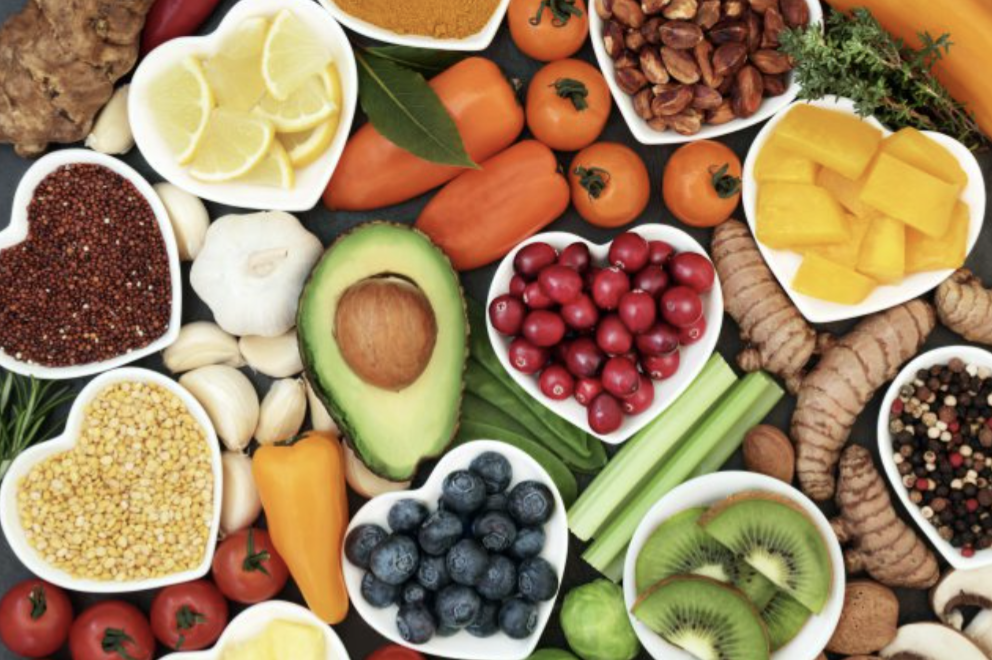
Grapes & Skin Protection
A new 2026 study found that eating about three servings of grapes a day for two weeks changed skin gene activity in ways that suggest stronger natural defences to UV. Participants had skin samples taken before and after a small UV exposure, and post‑grape results pointed toward better resilience. This lines up with earlier trials where 30–50% of people showed measurable gains in UV resistance after grape intake.
Be mindful though, it was a short study and industry‑funded, so consider it promising, not definitive! If grapes agree with you, add a daily serving or two (fresh or frozen). Keep using sunscreen and sun‑protective habits, think of grapes as support, not a shield.
Can a 4‑week diet make you “biologically younger”?
A new 2026 study from the University of Sydney found that adults aged 65–75 who changed their diet for just four weeks showed signs of lower biological age (measured via 20 biomarkers like cholesterol, insulin, and inflammation). The strongest shift came from a lower‑fat, higher‑carb pattern; cutting back on animal protein or moving more plant‑forward also helped, while sticking close to usual eating didn’t.
Even later in life, targeted diet tweaks can quickly improve health markers tied to ageing. It’s early days, a short study, biomarker‑based, not proof you’ll live longer, but it’s a practical nudge toward whole‑food carbs, lower saturated fat, and balanced plant based protein. Keep your fundamentals (protein at each meal, fibre‑rich plants, smart fats), and use this as motivation that changes now still move the needle.
Japanese eating habit could help you live longer
New data presented at the European Congress on Obesity show that obesity doesn’t land the same way in men and women. Men are more likely to carry risky abdominal (visceral) fat, have higher blood pressure, triglycerides, liver enzymes (signs of liver stress), and creatinine. Women, meanwhile, tend to show higher total and LDL (“bad”) cholesterol and stronger inflammation markers. Hormones and fat distribution play a role here: men store more fat around organs; women more under the skin and display a more active inflammatory response.
Two people with the same BMI can have very different health profiles. The practical move is targeted basics: for everyone, build muscle (strength train 2–3x/week), hit protein, prioritise fibre‑rich plants, manage blood pressure and sleep. If you’re a woman with higher cholesterol/inflammation, focus on fibre, omega‑3s, and resistance training; if you’re a man with visceral fat and liver stress, reduce alcohol, manage carbs/added sugars, lift weights, and monitor liver enzymes.